Find Table Tent Suppliers for Parties, Events, and Advertising
Source 30 verified table tent options from Chinese manufacturers. Buyers can compare PVC and Oxford cloth models, single or double skin structures, and various fixing solutions for traditional, military, or party applications.
Key considerations
Products List




Comprehensive Sourcing Guide
Strategic Sourcing Guide for Table Tent and Event Shelter Solutions
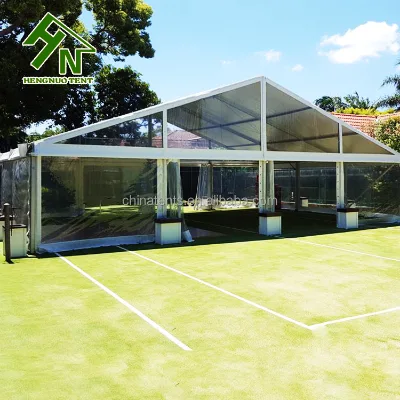
When sourcing event infrastructure, the term "table tent" often serves as a colloquial entry point for buyers seeking compact, temporary shelter solutions. However, in a professional B2B procurement context, the actual product landscape is far more complex, encompassing a wide array of structures ranging from small folding units to large-scale ridge tents. The data indicates a market dominated by PVC and Oxford cloth constructions, primarily originating from China, with a specific focus on military, party, and advertising applications. This guide provides a disciplined framework for evaluating these products, ensuring that procurement decisions are grounded in verified technical attributes rather than marketing generalizations.
Technical Specifications and Material Composition
The foundation of any successful procurement lies in understanding the precise material composition and structural design of the units available. The observed product range reveals a distinct split in material technology. High-end or heavy-duty units frequently utilize PVC (Polyvinyl Chloride) membranes, which are explicitly noted for their waterproof, fireproof, and UV-resistant properties. These PVC structures often feature a "Double" layer configuration, enhancing durability and thermal insulation. In contrast, alternative models rely on 420d, 600d, or 800d Oxford cloth, offering a lighter weight solution suitable for specific event types.
Structural integrity is another critical variable. The market offers both "Single Skin" and "Double" layer options, with the latter generally providing superior weather resistance. The framing systems vary significantly, with suppliers offering Rigid Poles, Powder Coated Steel, and Aluminum frames. The choice between these materials dictates the load-bearing capacity and the overall lifespan of the shelter. For instance, the "Square Centre-pole" and "Ridge Tent" top styles represent two distinct engineering approaches to weight distribution and internal space utilization. Buyers must verify the specific frame material against their intended load requirements, as aluminum offers corrosion resistance while steel provides high tensile strength.
Furthermore, the dimensions of these units are highly variable. Specifications observed in the market include models with standard dimensions such as 3x3m, 3x4.5m, and 3x6m, alongside custom configurations like 300300220cm or 210x210x145cm. The "Capacity" attribute in the data suggests that some units are designed for specific occupancy numbers, while others are "Customized" to fit unique venue constraints. Understanding these dimensional variances is essential for ensuring the selected tent fits the intended footprint without compromising safety or usability.
Compliance, Certification, and Quality Standards
In the realm of temporary event structures, compliance is not merely a formality but a critical risk mitigation strategy. The supplied data highlights that reputable manufacturers adhere to international quality management frameworks, specifically citing ISO9001 as a standard for quality management. This certification indicates a systematic approach to maintaining consistent product quality throughout the manufacturing process. Additionally, third-party verification is a common requirement for high-stakes applications. The market data lists TUV, SGS, and BV as associated certifications, which are globally recognized bodies for testing and inspection.
Buyers must treat these certifications as verification points rather than automatic guarantees. When evaluating a potential supplier, the procurement team should request current, valid certificates for the specific model being purchased. The data also mentions associations with Ifai and Ara, suggesting a level of industry engagement, though these should be cross-referenced with the specific product line. It is crucial to verify that the "Waterproof" and "Fireproof" claims are backed by independent test reports from these recognized bodies. Without such documentation, claims regarding fire resistance or water impermeability remain unverified assertions that could lead to significant liability issues during an event.
The "Plate, etc. Featuring" attribute in the data points to specific design elements that may contribute to safety, such as weight plates for anchoring. However, the absence of specific standard numbers like EN 13782 in the high-confidence facts suggests that buyers should not assume compliance with this specific European standard unless explicitly confirmed by the supplier. Instead, the procurement strategy should focus on verifying the actual test results for the specific model, ensuring that the structural integrity meets the safety requirements of the host country or event venue.
Cost Drivers and Pricing Dynamics
The pricing landscape for these structures is highly dynamic, with observed ranges spanning from $2 to $3,500 USD. This vast disparity is not indicative of a single product category but rather reflects the diversity of specifications, materials, and customization levels. The lower end of the spectrum likely corresponds to small, single-skin folding tents made from lighter Oxford cloth with minimal customization. Conversely, the upper end of the price range is associated with large-scale PVC ridge tents, double-layer constructions, and units with extensive customization options.
Several factors drive these costs. First, the material choice is a primary determinant; PVC is generally more expensive than standard Oxford cloth due to its enhanced durability and weather resistance. Second, the complexity of the structure plays a role; units with "Expandable Bolt" or "Weight Plate" fixing solutions may command higher prices due to the engineering required for secure anchoring. Third, the level of customization significantly impacts the final cost. The data confirms that "Customization" and "Customized" options are available, which often involves altering dimensions, colors, or adding specific branding elements.
The Minimum Order Quantity (MOQ) also influences the unit cost. The observed MOQ range of 1 to 1,000 units suggests that buyers can source single units for small events or bulk orders for large-scale deployments. Bulk purchasing typically leverages economies of scale, reducing the per-unit cost. However, buyers must balance the cost savings of bulk orders against the storage and logistics costs associated with holding large inventory. The "Pallet" and "Carton" packing methods mentioned in the data also affect shipping costs, as the density and dimensions of the packed units will determine the volume of freight required.
Typical Applications and Functional Versatility
The versatility of these tents is a key selling point, with applications ranging from traditional uses to modern event management. The data explicitly lists usage scenarios including "Traditional," "Military," "Party," "Advertising Tent," "Wedding," "Banquet," "Ceremony," "Warehouse," "Relief," "Camping," and "Beach Tent." This broad spectrum indicates that the same basic structural design can be adapted for vastly different environments. For example, a "Ridge Tent" with PVC construction might be deployed for military operations or large outdoor weddings, while a smaller "Folding Tent" with Oxford cloth might serve as a beach shelter or a temporary advertising booth.
The functional requirements vary by application. For military or relief operations, the emphasis is likely on rapid deployment, durability, and weather resistance. In contrast, for weddings and banquets, the aesthetic appeal, interior space, and ease of setup are paramount. The "Fixing Solution" options, such as expandable bolts or weight plates, are critical for these applications. Weight plates are ideal for paved surfaces where drilling is prohibited, while bolts are necessary for grass or soil. Buyers must align the fixing solution with the venue's surface conditions to ensure the safety and stability of the structure.
Supplier Evaluation and Origin Verification
When evaluating suppliers, the geographic origin is a significant factor. The data consistently identifies "China" and specifically "Qingdao, China" as the point of origin. Qingdao is a major manufacturing hub for textiles and outdoor equipment, suggesting a mature supply chain with access to raw materials and specialized labor. However, the presence of a specific origin does not guarantee quality; it merely indicates the location of production. Buyers should verify the supplier's ability to meet the specific quality standards mentioned, such as ISO9001, and ensure that the production facility has the capacity to handle their order volume.
The "Association" attributes, such as Ifai and Ara, can serve as indicators of industry involvement, but they should not be the sole basis for supplier selection. A robust evaluation process should include a review of the supplier's past performance, their ability to provide samples, and their responsiveness to technical queries. The availability of "Customized" options suggests that the supplier has the flexibility to adapt products to specific needs, which is a valuable trait for buyers with unique requirements.
Quality Control and Long-Term Procurement Considerations
Quality control is an ongoing process that extends beyond the initial purchase. Given the wide range of materials and construction methods, buyers should implement a rigorous inspection protocol. This includes verifying the "Waterproof" and "Fireproof" claims through independent testing, checking the integrity of the "Powder Coated Steel" or "Aluminum" frames for defects, and ensuring that the "Double" layer construction is properly sealed. The "PVC Carry Bag" and "Carton" packing methods should also be inspected to ensure that the units are protected during transit.
Long-term procurement considerations involve the lifecycle of the product. PVC tents generally offer a longer lifespan than Oxford cloth units, making them a better investment for frequent use. However, the initial cost is higher. Buyers should calculate the total cost of ownership, factoring in maintenance, storage, and replacement costs. The "Capacity" and "Customized" nature of the units also suggests that future expansion or modification may be required. Selecting a supplier that offers ongoing support and spare parts availability is crucial for maintaining the functionality of the fleet over time.
Comparative Analysis of Product Attributes
To assist in decision-making, the following table summarizes the key attributes observed in the market, highlighting the differences between common product configurations.
| Attribute | PVC/Ridge Tent Configuration | Oxford Cloth/Folding Tent Configuration |
|---|---|---|
| Primary Material | PVC (Double Layer) | 420d/600d/800d Oxford Cloth |
| Top Style | Ridge Tent | Square Centre-pole / Folding |
| Structure | Single Skin or Double | Single Skin |
| Frame Material | Powder Coated Steel / Aluminum | Rigid Poles / Powder Coated Steel |
| Key Features | Waterproof, Fireproof, UV-Resistant | Lightweight, Portable |
| Typical Usage | Military, Large Events, Warehouses | Parties, Beach, Advertising, Camping |
| Packing | Carton / PVC Carry Bag | Carton / Pallet |
| Customization | High (Dimensions, Color, Branding) | Moderate (Size, Color) |
This comparison underscores the importance of matching the product specification to the specific use case. While the PVC/Ridge configuration offers superior durability and weather resistance, the Oxford Cloth/Folding option provides greater portability and ease of transport for smaller, more frequent events.
Final Procurement Recommendations
Sourcing table tents and event shelters requires a meticulous approach that balances technical specifications, compliance requirements, and cost considerations. Buyers should prioritize suppliers who can provide verified certifications, such as ISO9001 and third-party test results from TUV, SGS, or BV. The wide range of available models, from small folding units to large PVC ridge tents, offers flexibility but demands careful selection based on the intended application. By focusing on the specific attributes of material, structure, and fixing solutions, procurement teams can ensure that the selected products meet the rigorous demands of modern event management. Ultimately, the goal is to secure a reliable supply chain that delivers high-quality, safe, and durable shelter solutions tailored to the unique needs of each project.
FAQs
What materials are used for table tents?
Table tents primarily use PVC or Oxford cloth materials. PVC options offer waterproof and fireproof properties, while Oxford cloth variants provide lighter weight solutions suitable for various event types.
Can I customize the dimensions of a table tent?
Yes, customization is available for table tents. Buyers can request specific dimensions such as 3x3m or 300*300*220cm, allowing the structure to fit unique venue constraints and occupancy needs.
Which certifications do table tent manufacturers hold?
Reputable manufacturers hold ISO9001 quality management standards. Additionally, third-party verification often includes TUV, SGS, and BV certifications to ensure product safety and compliance with international testing requirements.
How are table tents packed for shipping?
Table tents are packed in cartons, pallets, or PVC carry bags. The specific packing method depends on the model, with options including membrane film and carton packaging to protect the unit during transit.
What fixing solutions are available for table tents?
Fixing solutions include expandable bolts and weight plates. The choice depends on the venue surface, with weight plates ideal for paved areas and bolts necessary for grass or soil installation.
What is the origin of these table tents?
The products originate from China, specifically Qingdao. This location is a major manufacturing hub for textiles and outdoor equipment, ensuring access to a mature supply chain for production.
What are the typical price ranges for table tents?
Prices range from 2 to 3500 USD depending on specifications. Lower costs correspond to small folding units, while higher prices reflect large-scale PVC ridge tents with extensive customization options.